

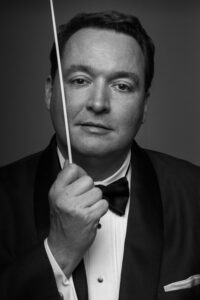
 Erik Ochsner, Music Director
Finnish-American conductor Erik Ochsner is honored and thrilled to be the new Artistic Director and Music Director of the Youngstown Symphony Orchestra. He first appeared with the orchestra to conduct performances of Ghostbusters Live in Concert in 2022; subsequently he has been invited back as a guest conductor seven times culminating in his hiring.
Ochsner’s versatility as a conductor has stretched across a broad range of repertoire: from conducting as few as five performers in contemporary and modern works, to leading 300 performers across 20+ full length films using the Live in Concert format. Audiences and critics alike praise Ochsner’s energy, attention to dtails, and precise synchronization.
Highlights of his appearances in Youngstown: Mahler Symphony No. 1, Strauss’ Overture to Die Fledermaus, Mozart Piano Concerto No. 23, a specially curated concert including 7 works called Unknown and Gorgeous: River and Iron, which featured the US premiere of Uuno Klami’s Kalevala Suite, and Eugene Kapp’s Kalevipoeg Ballet Suite (1947), plus Respighi’s Pines of Rome; Two more film concerts, Home Alone in Concert, and Back to the Future in Concert; a concert featuring The Vindys and the YSO, a narrated Superheroes concert, a Romeo and Juliet concert with soprano Avery Boettcher, and a concert with Beethoven’s Symphony No. 3 and 2 pieces of Luigi Cherubini.
Most recently, Ochsner conducted three performances of Lion King (1994) Live in Concert, and three performances of Frozen Live in Concert with the Armenian State Symphony Orchestra in Dammam, Saudi Arabia. Upcoming performances include performances of Star Wars in Concert: Episode 6: Return of the Jedi and Nightmare Before Christmas with the Filmharmonique orchestra in Edmonton, Canada, and Lion King (1994) Live in Concert in Oman.
Working with his friend Dr. Ruth Westheimer, Ochsner commissioned Tom Chapin and John Foster to create a new piece for three actors and chamber orchestra: Grandfather Camp: An Orchestral Fantasy. The story is based on Dr. Ruth’s writings about grandparenting. A successful development workshop took place, and the piece is currently being orchestrated for future performance!
Ochsner’s long relationship with the Krakow International Film Music Festival have been hugely successful leading sold out performances in a 16,000-seat arena of Pixar in Concert, Frozen, Beauty and the Beast, and Lion King (1994) (all performed in Polish), plus Disney in Concert: The Magic of Music with the Krakow Film Festival Youth Orchestra.
As Principal Touring Conductor for La La Land Live in Concert, Ochsner conducted 50 performances across the globe of Justin Hurwitz’s Academy Award and Grammy Award winning score, often performing with two of the original recording artists, pianist Randy Kerber, and trumpeter Wayne Bergeron.
Ochsner conducted the world premiere of Mary Poppins (1964) with the Sydney Symphony Orchestra at the Sydney Opera House; made his debut with the San Francisco Symphony Orchestra conducting Love Actually; on 40 hours’ notice, he flew to Taipei to conduct Beauty and the Beast in Concert to fill for an ailing colleague; at the Nanjing Forest Music Festival in China, he conducted a concert of 18 suites of Hollywood film music; Music Director of the 2017 Opera America New Works Showcase in New York City. In collaboration with the National Arts Centre Orchestra in Ottawa, Ochsner led the premiere of The Music of Star Wars featuring the iconic music of John Williams, as well as award-winning video game composers Gordy Haab and Kyle Newmaster.
Other Film projects he has conducted include: Back to the Future, Beauty and the Beast (2017), Batman (1989), Bugs Bunny at the Symphony, E.T. the Extra-Terrestrial, Frozen, Ghostbusters, Home Alone, La La Land, Lord of the Rings: Fellowship of the Ring, Love Actually, Pirates of the Caribbean, Pixar in Concert, Star Trek (2009), Star Trek Into Darkness, Star Wars in Concert: Episodes 4, 5, and 6.
Equally comfortable on the concert stage or leading opera, oratorio, and multi-media performances, he has performed in Adelaide, Athens, Beijing, Budapest, Calgary, Dallas, dammam, Detroit, Indianapolis, Jakarta, Kitchener-Waterloo, Krakow, Leipzig, Louisiana, Louisville, Melbourne, México City, Montreal, Monterrey, Moscow, Nashville, New York, Ottawa, Portland, Reykjavik, Richmond, Rochester, Round Top, San Antonio, San Diego, San Francisco, Seattle, Seoul, Shanghai, Sofia, South Bend, St. Louis, St. Petersburg, Stockholm, Sydney, Taipei, Tampere, Vancouver, Wellington, Youngstown.
He is Founder and Music Director of SONOS Chamber Orchestra which performed Rite of Spring in an arrangement for 4 pianos and 2 percussionists. The New York Times said, “All the hallmarks of a great “Rite” were here.”
During an 8-year collaboration, Ochsner served as Rehearsal Conductor for Academy Award winning composer Tan Dun (Crouching Tiger, Hidden Dragon). Highlights include Assistant Conductor and Chorus Master for The First Emperor workshop, a Metropolitan Opera commission, and Cover Conductor with the Boston Symphony Orchestra for the world premiere of The Map, a multimedia cello featuring Yo-Yo Ma, with performances in Boston, Carnegie Hall, and Tanglewood.
The Bulgarian Monitor said “Sensuality and synchronicity, matched by perfection, accompanied each of the melodies during La La Land: Live in Concert.” Radio Canada wrote, “[Ochsner] was of remarkable precision to the musical direction…the music of the orchestra seemed to emanate from the film. There was no distinction between the screen and the stage.” The Ontario Arts Review has said “Watch this man, he is brilliant.”
Recordings include Brian Wilbur Grundstrom: An Orchestral Journey (CD), and Tea: A Mirror of Soul (DVD).
Ochsner attended The Pierre Monteux School and is a graduate of Dartmouth College. He speaks French, German, and Italian. His mentors and teachers include Robert Spano, Charles Bruck, Erich Kunzel, Marin Alsop, and Helmuth Riling. He lives in New York City, loves traveling, wine, and collecting requiem recordings.
www.erikochsner.com and www.SONOSChamberOrch.org and YouTube
Wolfgang Amadeus Mozart Overture to The Magic Flute
(1756-1791)
Anatoly Liadov The Enchanted Lake Op. 62
(1855-1914)
John Williams Suite from Jaws
(b. 1932)
Bela Bartók Music for Strings, Percussion, and Celesta,
(1881-1945) Sz. 106: III. Adagio
Karl Goldmark Merlin Overture
(1830-1915)
Bernard Hermann Suite from Psycho
(1911-1975)
Manuel de Falla Ritual Fire Dance from El amor brujo
(1876-1946)
INTERMISSION
Andrew Lloyd Webber Overture to The Phantom of the Opera
(b. 1948)
Marius Constant Theme from The Twilight Zone
(1925-2004)
Richard Wagner Magic Fire Music from Die Walküre
(1813-1883)
Camille Saint-Saëns Danse Macabre
(1835-1921)
Antonín Dvořák The Noon Witch
(1841-1904)
Igor Stravinsky Infernal Dance from Firebird
(1882-1971)
Modest Mussorgsky Night on Bald Mountain
(1839-1881)
Program Notes
by Music Director, Erik Ochsner
Welcome to the 2026-2027 season of the Youngstown Symphony Orchestra (“YSO”). Whether this is your first or 50th or 100th concert, we are thrilled to have you join us! The YSO is a proud member of the thriving performing arts scene here in the Mahoning Valley community.
This concert is meant not only to be family friendly – featuring numerous shorter pieces – but also a dramatic way to kick off the Halloween season with music inspired by something magical or spooky. There are no images, screens or tablets – only what your mind creates from what you hear. “May your days be eerie, and full of fright!”
We invite you to participate at any and every level you can: (1) buy a ticket; (2) attend the post-concert reception (free to all) – meet and socialize with your fellow music lovers; (3) be an arts ambassador and spread the word about the local Youngstown live arts scene (of course mentioning the YSO); (4) become a YSO Member and get special perks; (5) donate to the YSO; (6) bring your friends; (7) tell your neighbors; (8) tell all of your friends who are students that they get in for free! Make sure to have all of our concert dates in your book!
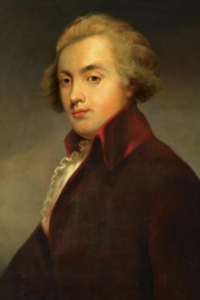 Wolfgang Amadeus Mozart (1756-1791)
Overture to Die Zauberflöte (The Magic Flute), op. 620
Premiere: September 30, 1791, in Vienna, Austria
Approximate Duration: 7 minutes
The piece is scored for: 2 flutes, 2 oboes, 2 clarinets, 2 bassoons, 2 French horns, 2 trumpets, 3 trombones, timpani, and strings
The Youngstown Symphony Orchestra last performed this piece in 2018 under the direction of then Music Director, Randall Craig Fleischer.
Mozart’s overture is filled with Masonic symbolism, numerology (especially the number three), and themes of enlightenment. It opens with three dramatic chords, in E-flat major, which has 3 flats in the key signature! After a traditional grand and slow introduction, the mood shifts into a fast, shimmering musical chase: a fugue which starts in the second violins, and is then picked up by the first violins, before being tossed around the entire orchestra, as it brews sorcery.
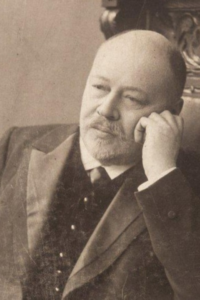 Andrew Lyadov (1855-1914)
The Enchanted Lake, op. 62
Premiere: February 21, 1909, in St. Petersburg, Russia
Approximate Duration: 7 minutes
The piece is scored for: 3 flutes, 2 oboes, 3 clarinets, 2 bassoons, 4 horns, bass drum, timpani, celesta, harp, and strings
This is the first performance of this piece by the Youngstown Symphony Orchestra.
Anatoly Liadov’s The Enchanted Lake paints magic not through explosive spellcasting, but through hypnotic, spellbound stillness. Rather than battling sorcerers, the music captures a mystical, hidden waterscape untouched by mortals. Shimmering strings, muted brass, and sparkling woodwinds craft a delicate texture that ripples like moonlit water. Here, sorcery is pure atmosphere: an ancient, fairy-tale spell where time stands still and invisible spirits quietly linger in the shadows.
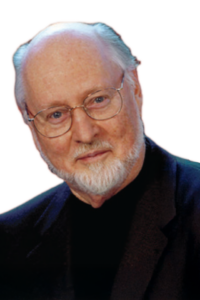 John Williams (1932-)
The SHark Theme from Jaws
The film premiere in 1975
Approximate Duration: 3 minutes
The piece is scored for: 2 flutes, piccolo, oboe, English horn, 2 clarinets, bass clarinet, 2 bassoons, contrabassoon, 4 horns, 3 trumpets, 4 trombones, tuba, bass drum, glockenspiel, high hat, snare drum, suspended cymbal, xylophone, timpani, harp, piano, and strings
This is the first performance of this piece by the Youngstown Symphony Orchestra.
John Williams transforms two simple notes into a terrifying incantation; a relentless motif which summons an unseen, predatory force. Based on primal rhythms and a loud crescendo, our minds conjure up a nightmare. Exactly what you don’t want to hear before or after you’ve been swimming, even in an enchanted lake! It’s amazing how these two notes are now part of our culture: sing two notes, and people know exactly what you’re talking about!
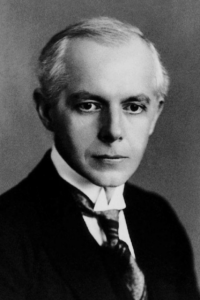 Bela Bartók (1881-1945)
Music for Strings, Percussion, and Celesta, Sz. 106 iii. Adagio
Premiere: January 21, 1937, in Basel, Switzerland
Approximate Duration: 7 minutes
The piece is scored for: bass drum, tam-tam, xylophone, timpani, celesta, piano, harp, and strings
This is the first performance of this piece by the Youngstown Symphony Orchestra.
In the third movement, Bartok creates a haunting, magical atmosphere known as “night music.” It opens with an eerie xylophone rhythm—like rattling bones or a ticking clock in a nightmare—before shadowy strings and glissandos weave a creepy web of sound. Shimmering celesta and harp notes spark like dark sorcery in the gloom. Through this surreal soundscape, Bartók conjures the spooky horror of the unknown, turning nature’s quiet night into a terrifying supernatural illusion.
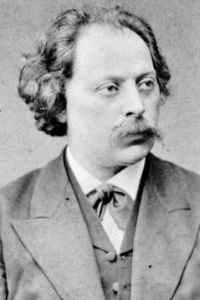 Karl Goldmark (1830-1915)
Overture to Merlin
Premiere: November 19, 1886, in Vienna, Austria
Approximate Duration: 11 minutes
The piece is scored for: 2 flutes, 2 oboes, English horn, 2 clarinets, bass clarinet, 2 bassoons, contrabassoon, 4 horns, 3 trumpets, 4 trombones, timpani, harp, and strings
This is the first performance of this piece by the Youngstown Symphony Orchestra.
Karl Goldmark’s Overture to Merlin sets an eerie, yet romantic tone of Arthurian sorcery. Dark, ominous brass and churning strings summon an atmosphere of spooky foreboding, capturing the struggle between divine magic and demonic temptation. Sparkling, ethereal harp notes pierce the shadows like glowing spells, expertly weaving supernatural illusion with tragic, haunting suspense in a world of dark enchantment. Finnish composer, Jean Sibelius, studied with Goldmark while living in Vienna!
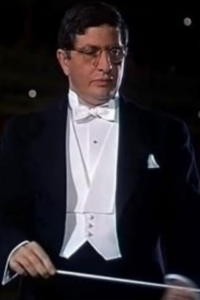 Bernard Herrmann (1911-1975)
Suite from Psycho
The film premiered in 1960
Approximate Duration: 6 minutes
The piece is scored for: strings only
The Youngstown Symphony Orchestra last performed selections from Psycho in 2014, under the direction of then Music Director Randall Craig Fleischer.
Bernard Herrmann’s Psycho score relies on an all-string orchestra to construct a bleak, sinister soundscape. Shrill, screeching violins acts like a dark incantation, turning sharp bow strokes into terrifying auditory stabs. By stripping away warm colors, Herrmann brews a spooky, hypnotic spell of psychological dread—a masterclass in musical sorcery that transforms pure minimalist tension into iconic horror. Bernard Herrmann scored 7 released feature films for Alfred Hitchcock. There was an 8th unused score: Torn Curtain (1966) – Herrmann composed a full score, but Hitchcock rejected it due to studio pressure for a pop-oriented soundtrack. This ended their famous partnership.
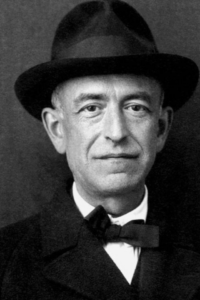 Manuel de Falla (1876-1946)
Ritual Fire Dance from El amor brujo (Love, the magician)
Premiere: April 15, 1915, in Madrid, Spain
Approximate Duration: 4 minutes
The piece is scored for: 2 flutes (1 doubles on piccolo), oboe, 2 clarinets, bassoon, 2 horns, 2 trumpets, timpani, piano, and strings
The Youngstown Symphony Orchestra last performed selections from Psycho in 1979, under the direction of then Music Director, Franz Bibo.
Manuel de Falla’s Ritual Fire Dance brews a thrilling potion of dark sorcery. Built on rapid, trilling strings and relentless rhythms, the music mimics an intense, magical incantation designed to exorcise an evil, lingering ghost. Trembling brass and spooky, swirling figures conjure a terrifying atmosphere where fiery passion meets the supernatural, driving away horror with hypnotic enchantment.
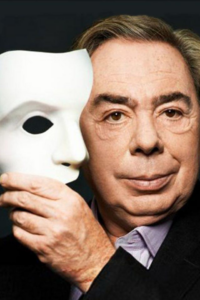 Andrew Lloyd Webber (1948-)
Overture to The Phantom of the Opera
The musical premiered in 1986
Approximate Duration: 5 minutes
The piece is scored for: 2 flutes, oboe, 2 clarinets< bassoon, 3 horns, trumpet, 2 trombones, organ, percussion, and strings
The Youngstown Symphony Orchestra last performed selections from Andrew Lloyd Webber’s Phantom of the Opera in 1990, under the direction of Bob Lappin.
The Overture to The Phantom of the Opera unleashes pure theatrical sorcery, driven by its iconic, descending organ motif, performed today on Stambaugh Auditorium’s historic E.M. Skinner pipe organ. Worldwide, these opening chords are known! Music erupts like a dark incantation echoing through subterranean shadows. Ominous chords conjure a spooky, magical trance, blending gothic horror with seductive mystery to summon the Phantom’s phantom-like presence.
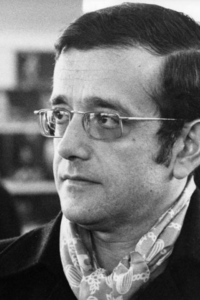 Marius Constant (1925-2004)
Theme from The Twilight Zone
The television show premiered in 1959
Approximate Duration: 3 minutes
The piece is scored for: 2 flutes, piccolo, 2 oboes, 2 clarinets, e-flat clarinet, 2 bassoons, 4 horns, 3 trombones, tuba, bongos, claves, bass drum, timpani, 2 electric guitars, synthesizer, and strings
This is the first performance of the piece by the Youngstown Symphony Orchestra.
Bernard Herrmann and Marius Constant’s Twilight Zone theme revolutionized television scoring, transforming four simple, dissonant notes into a universal cultural shorthand. Its surreal guitar riff and unsettling, ostinato rhythms immediately signal a slip into the surreal. Today, those uncanny notes are instantly recognized worldwide, forever tethered to anything spooky, bizarre, or beyond the bounds of normal human reality.
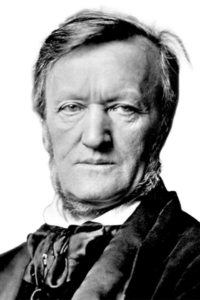 Richard Wagner (1813-1883)
Magic Fire Music from Die Walküre
Premiere: June 26, 1870, in Munich, Germany
Approximate Duration: 5 minutes
The piece is scored for: 2 flutes (1 doubles on piccolo), 2 oboes, 2 clarinets (1 doubles on e-flat clarinet), 2 bassoons, 4 horns, 2 trumpets, 3 trombones, tuba, suspended cymbal, triangle, glockenspiel, timpani, harp, and strings
This is the first performance of this piece by the Youngstown Symphony Orchestra.
The Magic Fire Music weaves a spell of mesmerizing elemental sorcery. As Loge, the god of fire, is summoned to protect the sleeping Brünnhilde, shimmering woodwinds and flickering harps conjure dancing flames. Glowing brass melodies pierce through eerie, chromatic waves of sound, turning a terrifying ring of blaze into a spooky, enchanted barrier of pure magical protection.
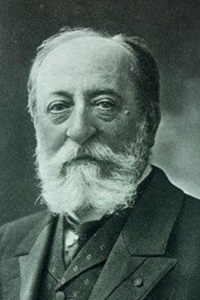 Camille Saint-Saëns (1835-1921)
Danse Macabre
Premiere: January 24, 1875, in Paris, France
Approximate Duration: 7 minutes
The piece is scored for: 3 flutes (2 doubling on piccolo), 2 oboes, 2 clarinets, 2 bassoons, 4 horns, 2 trumpets, 3 trombones, tuba, bass drum, cymbal, triangle, xylophone, timpani, harp, and strings
The Youngstown Symphony Orchestra last performed this piece in 2023, under the direction of Lawrence Loh.
Danse Macabre is a masterpiece of dark sorcery and spooky atmosphere. Twelve ominous piano strikes signal midnight as Death tunes his violin to a dissonant interval called the tritone, believed to be able to summon the devil, or the dead from their graves. Xylophones rattle like dry skeleton bones while frantic woodwinds and swirling strings weave an eerie, spellbinding waltz. This hypnotic musical sorcery whirls with dark magic, painting a chillingly spooky portrait of a ghostly midnight dance.
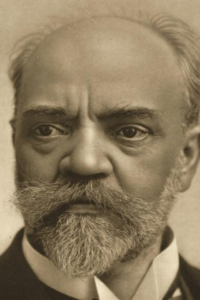 Antonín Dvořák (1841-1904)
The Noon Witch, op. 108
Semi-Public Premiere: June 3, 1896, Prague
Public Premiere: November 21, 1896, in London
Approximate Duration: 14 minutes
The piece is scored for: 3 flutes (2 doubling on piccolo), 2 oboes, 2 clarinets, bass clarinet, 2 bassoons, 4 horns, 2 trumpets, 3 trombones, tuba, bass drum, chime, cymbal, triangle, timpani, and strings
This is the first performance of this piece by the Youngstown Symphony Orchestra.
The Noon Witch brings terrifying Slavic sorcery into broad daylight. Twelve heavy chimes signal high noon as a sinister demon arrives to snatch an unruly child. Creeping bassoons, eerie bass clarinet, and unsettling, jagged rhythms weave a dark musical spell. Dvořák masterfully turns folklore into sheer acoustic horror, using spooky, chromatic woodwind swirls and ominous brass to conjure an unforgettable, tragic nightmare of supernatural vengeance.
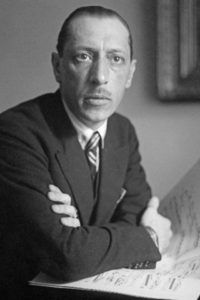 Igor Stravinsky (1882-1971)
Infernal Dance from Firebird
Premiere: June 25, 1910, in Paris, France
Approximate Duration: 5 minutes
The piece is scored for: flute, piccolo, 2 oboes, 2 clarinets, 2 bassoons, 4 horns, 2 trumpets, 3 trombones, tuba, bass drum, cymbal, xylophone, timpani, piano, harp, and strings.
The Firebird ballet is based on the Russian fairy tale, and it was composed for Sergei Diaghilev’s Ballets Russes company. The infernal dance is violent music: explosive brass blasts and jagged, syncopated rhythms launch a terrifying onslaught as the evil wizard Koschei and his demonic monsters are forced into a spellbound, relentless frenzy. Stravinsky’s spooky, brutal orchestration turns ancient Russian folklore into a primal nightmare, driving the sinister creatures through a hypnotic, frantic dance of spellbinding terror.
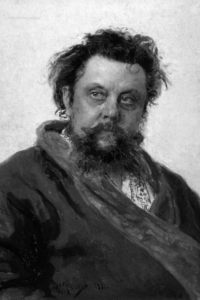 Modest Mussorgsky (1839-1881)
Night on Bald Mountain
Premiere: October 15, 1886, in St. Petersburg, Russia
Approximate Duration: 10 minutes
The piece is scored for: 2 flutes, piccolo, 2 oboes, 2 clarinets, 2 bassoons, 4 horns, 2 trumpets, 3 trombones, tuba, bass drum, chimes, cymbal, suspended cymbal, tam-tam, timpani, harp, and strings
The Youngstown Symphony Orchestra last performed this piece in 1996, under the direction of then Music Director, Isaiah Jackson.
Modest Mussorgsky’s Night on Bald Mountain is an iconic explosion of supernatural terror. Piercing woodwind shrieks and thunderous brass fanfares signal the arrival of the dark god Chernobog for a demonic Midsummer Eve sabbath. Swirling, chaotic strings and ominous, jagged rhythms conjure a spooky nightmare of dark sorcery, weaving a spell of pure horror that rages relentlessly until soft morning chimes dispel the evil spirits. Many of us were introduced to this piece via Walt Disney’s animated feature Fantasia (1940).
Erik Ochsner, Music Director
Finnish-American conductor Erik Ochsner is honored and thrilled to be the new Artistic Director and Music Director of the Youngstown Symphony Orchestra. He first appeared with the orchestra to conduct performances of Ghostbusters Live in Concert in 2022; subsequently he has been invited back as a guest conductor seven times culminating in his hiring.
Ochsner’s versatility as a conductor has stretched across a broad range of repertoire: from conducting as few as five performers in contemporary and modern works, to leading 300 performers across 20+ full length films using the Live in Concert format. Audiences and critics alike praise Ochsner’s energy, attention to dtails, and precise synchronization.
Highlights of his appearances in Youngstown: Mahler Symphony No. 1, Strauss’ Overture to Die Fledermaus, Mozart Piano Concerto No. 23, a specially curated concert including 7 works called Unknown and Gorgeous: River and Iron, which featured the US premiere of Uuno Klami’s Kalevala Suite, and Eugene Kapp’s Kalevipoeg Ballet Suite (1947), plus Respighi’s Pines of Rome; Two more film concerts, Home Alone in Concert, and Back to the Future in Concert; a concert featuring The Vindys and the YSO, a narrated Superheroes concert, a Romeo and Juliet concert with soprano Avery Boettcher, and a concert with Beethoven’s Symphony No. 3 and 2 pieces of Luigi Cherubini.
Most recently, Ochsner conducted three performances of Lion King (1994) Live in Concert, and three performances of Frozen Live in Concert with the Armenian State Symphony Orchestra in Dammam, Saudi Arabia. Upcoming performances include performances of Star Wars in Concert: Episode 6: Return of the Jedi and Nightmare Before Christmas with the Filmharmonique orchestra in Edmonton, Canada, and Lion King (1994) Live in Concert in Oman.
Working with his friend Dr. Ruth Westheimer, Ochsner commissioned Tom Chapin and John Foster to create a new piece for three actors and chamber orchestra: Grandfather Camp: An Orchestral Fantasy. The story is based on Dr. Ruth’s writings about grandparenting. A successful development workshop took place, and the piece is currently being orchestrated for future performance!
Ochsner’s long relationship with the Krakow International Film Music Festival have been hugely successful leading sold out performances in a 16,000-seat arena of Pixar in Concert, Frozen, Beauty and the Beast, and Lion King (1994) (all performed in Polish), plus Disney in Concert: The Magic of Music with the Krakow Film Festival Youth Orchestra.
As Principal Touring Conductor for La La Land Live in Concert, Ochsner conducted 50 performances across the globe of Justin Hurwitz’s Academy Award and Grammy Award winning score, often performing with two of the original recording artists, pianist Randy Kerber, and trumpeter Wayne Bergeron.
Ochsner conducted the world premiere of Mary Poppins (1964) with the Sydney Symphony Orchestra at the Sydney Opera House; made his debut with the San Francisco Symphony Orchestra conducting Love Actually; on 40 hours’ notice, he flew to Taipei to conduct Beauty and the Beast in Concert to fill for an ailing colleague; at the Nanjing Forest Music Festival in China, he conducted a concert of 18 suites of Hollywood film music; Music Director of the 2017 Opera America New Works Showcase in New York City. In collaboration with the National Arts Centre Orchestra in Ottawa, Ochsner led the premiere of The Music of Star Wars featuring the iconic music of John Williams, as well as award-winning video game composers Gordy Haab and Kyle Newmaster.
Other Film projects he has conducted include: Back to the Future, Beauty and the Beast (2017), Batman (1989), Bugs Bunny at the Symphony, E.T. the Extra-Terrestrial, Frozen, Ghostbusters, Home Alone, La La Land, Lord of the Rings: Fellowship of the Ring, Love Actually, Pirates of the Caribbean, Pixar in Concert, Star Trek (2009), Star Trek Into Darkness, Star Wars in Concert: Episodes 4, 5, and 6.
Equally comfortable on the concert stage or leading opera, oratorio, and multi-media performances, he has performed in Adelaide, Athens, Beijing, Budapest, Calgary, Dallas, dammam, Detroit, Indianapolis, Jakarta, Kitchener-Waterloo, Krakow, Leipzig, Louisiana, Louisville, Melbourne, México City, Montreal, Monterrey, Moscow, Nashville, New York, Ottawa, Portland, Reykjavik, Richmond, Rochester, Round Top, San Antonio, San Diego, San Francisco, Seattle, Seoul, Shanghai, Sofia, South Bend, St. Louis, St. Petersburg, Stockholm, Sydney, Taipei, Tampere, Vancouver, Wellington, Youngstown.
He is Founder and Music Director of SONOS Chamber Orchestra which performed Rite of Spring in an arrangement for 4 pianos and 2 percussionists. The New York Times said, “All the hallmarks of a great “Rite” were here.”
During an 8-year collaboration, Ochsner served as Rehearsal Conductor for Academy Award winning composer Tan Dun (Crouching Tiger, Hidden Dragon). Highlights include Assistant Conductor and Chorus Master for The First Emperor workshop, a Metropolitan Opera commission, and Cover Conductor with the Boston Symphony Orchestra for the world premiere of The Map, a multimedia cello featuring Yo-Yo Ma, with performances in Boston, Carnegie Hall, and Tanglewood.
The Bulgarian Monitor said “Sensuality and synchronicity, matched by perfection, accompanied each of the melodies during La La Land: Live in Concert.” Radio Canada wrote, “[Ochsner] was of remarkable precision to the musical direction…the music of the orchestra seemed to emanate from the film. There was no distinction between the screen and the stage.” The Ontario Arts Review has said “Watch this man, he is brilliant.”
Recordings include Brian Wilbur Grundstrom: An Orchestral Journey (CD), and Tea: A Mirror of Soul (DVD).
Ochsner attended The Pierre Monteux School and is a graduate of Dartmouth College. He speaks French, German, and Italian. His mentors and teachers include Robert Spano, Charles Bruck, Erich Kunzel, Marin Alsop, and Helmuth Riling. He lives in New York City, loves traveling, wine, and collecting requiem recordings.
www.erikochsner.com and www.SONOSChamberOrch.org and YouTube
Wolfgang Amadeus Mozart (1756-1791)
Overture to The Magic Flute
Anatoly Liadov (1855-1914)
The Enchanted Lake Op. 62
John Williams (b. 1932)
Suite from Jaws
Bela Bartók (1881-1945)
Music for Strings, Percussion, and Celesta, Sz. 106: III. Adagio
Karl Goldmark (1830-1915)
Merlin Overture
Bernard Herrmann (1911-1975)
Suite from Psycho
Manuel de Falla (1876-1946)
Ritual Fire Dance from El amor brujo
INTERMISSION
Andrew Lloyd Webber (b. 1948)
Overture to The Phantom of the Opera
Marius Constant (1925-2004)
Theme from The Twilight Zone
Richard Wagner (1813-1883)
Magic Fire Music from Die Walküre
Camille Saint-Saëns (1835-1921)
Danse Macabre
Antonín Dvořák (1841-1904)
The Noon Witch
Igor Stravinsky (1882-1971)
Infernal Dance from Firebird
Modest Mussorgsky (1839-1881)
Night on Bald Mountain
Program Notes
by Music Director, Erik Ochsner
Welcome to the 2026-2027 season of the Youngstown Symphony Orchestra (“YSO”). Whether this is your first or 50th or 100th concert, we are thrilled to have you join us! The YSO is a proud member of the thriving performing arts scene here in the Mahoning Valley community.
This concert is meant not only to be family friendly – featuring numerous shorter pieces – but also a dramatic way to kick off the Halloween season with music inspired by something magical or spooky. There are no images, screens or tablets – only what your mind creates from what you hear. “May your days be eerie, and full of fright!”
We invite you to participate at any and every level you can: (1) buy a ticket; (2) attend the post-concert reception (free to all) – meet and socialize with your fellow music lovers; (3) be an arts ambassador and spread the word about the local Youngstown live arts scene (of course mentioning the YSO); (4) become a YSO Member and get special perks; (5) donate to the YSO; (6) bring your friends; (7) tell your neighbors; (8) tell all of your friends who are students that they get in for free! Make sure to have all of our concert dates in your book!
Wolfgang Amadeus Mozart (1756-1791)
Overture to Die Zauberflöte (The Magic Flute) op. 620
Premiere: September 30, 1791, in Vienna, Austria
Approximate Duration: 7 minutes
The piece is scored for: 2 flutes, 2 oboes, 2 clarinets, 2 bassoons, 2 French horns, 2 trumpets, 3 trombones, timpani, and strings
The Youngstown Symphony Orchestra last performed this piece in 2018, under the direction of then Music Director Randall Craig Fleischer.
Mozart’s overture is filled with Masonic symbolism, numerology (especially the number three), and themes of enlightenment. It opens with three dramatic chords, in E-flat major, which has 3 flats in the key signature! After a traditional grand and slow introduction, the mood shifts into a fast, shimmering musical chase: a fugue which starts in the second violins, and is then picked up by the first violins, before being tossed around the entire orchestra, as it brews sorcery.
Anatoly Lyadov (1855-1914)
The Enchanted Lake, op. 62
Premiere: February 21, 1909, in St. Petersburg, Russia
Approximate Duration: 7 minutes
The piece is scored for: 3 flutes, 2 oboes, 3 clarinets, 2 bassoons, 4 horns, bass drum, timpani, celesta, harp, and strings
This is the first performance of this piece by the Youngstown Symphony Orchestra.
Anatoly Liadov’s The Enchanted Lake paints magic not through explosive spellcasting, but through hypnotic, spellbound stillness. Rather than battling sorcerers, the music captures a mystical, hidden waterscape untouched by mortals. Shimmering strings, muted brass, and sparkling woodwinds craft a delicate texture that ripples like moonlit water. Here, sorcery is pure atmosphere: an ancient, fairy-tale spell where time stands still and invisible spirits quietly linger in the shadows.
John Williams (1932-)
The Shark Theme from Jaws
The film premiered in 1975
Approximate Duration: 3 minutes
The piece is scored for: 2 flutes, piccolo, oboe, English horn, 2 clarinets, bass clarinet, 2 bassoons, contrabassoon, 4 horns, 3 trumpets, 4 trombones, tuba, bass drum, glockenspiel, high hat, snare drum, suspended cymbal, xylophone, timpani, harp, piano, and strings.
This is the first performance of this piece by the Youngstown Symphony Orchestra.
John Williams transforms two simple notes into a terrifying incantation; a relentless motif which summons an unseen, predatory force. Based on primal rhythms and a loud crescendo, our minds conjure up a nightmare. Exactly what you don’t want to hear before or after you’ve been swimming, even in an enchanted lake! It’s amazing how these two notes are now part of our culture: sing two notes, and people know exactly what you’re talking about!
Bela Bartók (1881-1945)
Music for Strings, Percussion, and Celesta, Sz. 106 iii. Adagio
Premiere: January 21, 1937, in Basel, Switzerland
Approximate Duration: 7 minutes
The piece is scored for: bass drum, tam-tam, xylophone, timpani, celesta, piano, harp, and strings
This is the first performance of this piece by the Youngstown Symphony Orchestra.
In the third movement, Bartok creates a haunting, magical atmosphere known as “night music.” It opens with an eerie xylophone rhythm—like rattling bones or a ticking clock in a nightmare—before shadowy strings and glissandos weave a creepy web of sound. Shimmering celesta and harp notes spark like dark sorcery in the gloom. Through this surreal soundscape, Bartók conjures the spooky horror of the unknown, turning nature’s quiet night into a terrifying supernatural illusion.
Karl Goldmark (1830-1915)
Overture to Merlin
Premiere: November 19, 1886, in Vienna, Austria
Approximate Duration: 11 minutes
The piece is scored for: 2 flutes, 2 oboes, English horn, 2 clarinets, bass clarinet, 2 bassoons, contrabassoon, 4 horns, 3 trumpets, 4 trombones, timpani, harp, and strings
This is the first performance of this piece by the Youngstown Symphony Orchestra.
Karl Goldmark’s Overture to Merlin sets an eerie, yet romantic tone of Arthurian sorcery. Dark, ominous brass and churning strings summon an atmosphere of spooky foreboding, capturing the struggle between divine magic and demonic temptation. Sparkling, ethereal harp notes pierce the shadows like glowing spells, expertly weaving supernatural illusion with tragic, haunting suspense in a world of dark enchantment. Finnish composer, Jean Sibelius, studied with Goldmark while living in Vienna!
Bernard Herrmann (1911-1975)
Suite from Psycho
The film premiered in 1960
Approximate Duration: 6 minutes
The piece is scored for: strings only
The Youngstown Symphony Orchestra last performed selections from Psycho in 2014, under the direction of then Music Director Randall Craig Fleischer.
Bernard Herrmann’s Psycho score relies on an all-string orchestra to construct a bleak, sinister soundscape. Shrill, screeching violins acts like a dark incantation, turning sharp bow strokes into terrifying auditory stabs. By stripping away warm colors, Herrmann brews a spooky, hypnotic spell of psychological dread—a masterclass in musical sorcery that transforms pure minimalist tension into iconic horror. Bernard Herrmann scored 7 released feature films for Alfred Hitchcock. There was an 8th unused score: Torn Curtain (1966) – Herrmann composed a full score, but Hitchcock rejected it due to studio pressure for a pop-oriented soundtrack. This ended their famous partnership.
Manuel de Falla (1876-1946)
Ritual Fire Dance from El amor brujo (Love, the magician)
Premiere: April 15, 1915, in Madrid, Spain
Approximate Duration: 4 minutes
The piece is scored for: 2 flutes (1 doubles on piccolo), oboe, 2 clarinets, bassoon, 2 horns, 2 trumpets, timpani, piano, and strings
The Youngstown Symphony Orchestra last performed selections from Psycho in 1979 under the direction of then Music Director, Franz Bibo.
Manuel de Falla’s Ritual Fire Dance brews a thrilling potion of dark sorcery. Built on rapid, trilling strings and relentless rhythms, the music mimics an intense, magical incantation designed to exorcise an evil, lingering ghost. Trembling brass and spooky, swirling figures conjure a terrifying atmosphere where fiery passion meets the supernatural, driving away horror with hypnotic enchantment.
Andrew Lloyd Webber (1948-)
Overture to The Phantom of the Opera
The musical premiered in 1986
Approximate Duration: 5 minutes
The piece is scored for: 2 flutes, oboe, 2 clarinets, bassoon, 3 horns, trumpet, 2 trombones, organ, percussion, and strings
The Youngstown Symphony Orchestra last performed selections from Andrew Lloyd Webber’s Phantom of the Opera in 1990, under the direction of Bob Lappin.
The Overture to The Phantom of the Opera unleashes pure theatrical sorcery, driven by its iconic, descending organ motif, performed today on Stambaugh Auditorium’s historic E.M. Skinner pipe organ. Worldwide, these opening chords are known! Music erupts like a dark incantation echoing through subterranean shadows. Ominous chords conjure a spooky, magical trance, blending gothic horror with seductive mystery to summon the Phantom’s phantom-like presence.
Marius Constant (1924-2004)
Theme from The Twilight Zone
The television show premiered in 1959
Approximate Duration: 3 minutes
The piece is scored for: 2 flutes, piccolo, 2 oboes, 2 clarinets, e-flat clarinet, 2 bassoons, 4 horns, 3 trombones, tuba, bongos, claves, bass drum, timpani, 2 electric guitars, synthesizer, and strings.
This is the first performance of this piece by the Youngstown Symphony Orchestra.
Bernard Herrmann and Marius Constant’s Twilight Zone theme revolutionized television scoring, transforming four simple, dissonant notes into a universal cultural shorthand. Its surreal guitar riff and unsettling, ostinato rhythms immediately signal a slip into the surreal. Today, those uncanny notes are instantly recognized worldwide, forever tethered to anything spooky, bizarre, or beyond the bounds of normal human reality.
Richard Wagner (1813-1883)
Magic Fire Music from Die Walküre
Premiere: June 26, 1870, in Munich, Germany
Approximate Duration: 5 minutes
The piece is scored for: 2 flutes (1 doubles on piccolo), 2 oboes, 2 clarinets (1 doubles on e-flat clarinet), 2 bassoons, 4 horns, 2 trumpets, 3 trombones, tuba, suspended cymbal, triangle, glockenspiel, timpani, harp, and strings
This is the first performance of this piece by the Youngstown Symphony Orchestra.
The Magic Fire Music weaves a spell of mesmerizing elemental sorcery. As Loge, the god of fire, is summoned to protect the sleeping Brünnhilde, shimmering woodwinds and flickering harps conjure dancing flames. Glowing brass melodies pierce through eerie, chromatic waves of sound, turning a terrifying ring of blaze into a spooky, enchanted barrier of pure magical protection.
Camille Saint-Saëns (1835-1921)
Danse Macabre
Premiere: January 24, 1875, in Paris, France
Approximate Duration: 7 minutes
The piece is scored for: 3 flutes (2 doubling on piccolo), 2 oboes, 2 clarinets, 2 bassoons, 4 horns, 2 trumpets, 3 trombones, tuba, bass drum, cymbal, triangle, xylophone, timpani, harp, and strings
The Youngstown Symphony Orchestra last performed this piece in 2023, under the direction of Lawrence Loh.
Danse Macabre is a masterpiece of dark sorcery and spooky atmosphere. Twelve ominous piano strikes signal midnight as Death tunes his violin to a dissonant interval called the tritone, believed to be able to summon the devil, or the dead from their graves. Xylophones rattle like dry skeleton bones while frantic woodwinds and swirling strings weave an eerie, spellbinding waltz. This hypnotic musical sorcery whirls with dark magic, painting a chillingly spooky portrait of a ghostly midnight dance.
Antonin Dvořák (1841-1904)
The Noon Witch, op. 108
Semi-Public Premiere: June 3, 1896, Prague
Public Premiere: November 21, 1896, in London
Approximate Duration: 14 minutes
The piece is scored for: 3 flutes (2 doubling on piccolo), 2 oboes, 2 clarinets, bass clarinet, 2 bassoons, 4 horns, 2 trumpets, 3 trombones, tuba, bass drum, chime, cymbal, triangle, timpani, and strings
This is the first performance of this piece by the Youngstown Symphony Orchestra.
The Noon Witch brings terrifying Slavic sorcery into broad daylight. Twelve heavy chimes signal high noon as a sinister demon arrives to snatch an unruly child. Creeping bassoons, eerie bass clarinet, and unsettling, jagged rhythms weave a dark musical spell. Dvořák masterfully turns folklore into sheer acoustic horror, using spooky, chromatic woodwind swirls and ominous brass to conjure an unforgettable, tragic nightmare of supernatural vengeance.
Igor Stravinsky (1882-1971)
Infernal Dance from Firebird
Premiere: June 25, 1910, in Paris, France
Approximate Duration: 5 minutes
The piece is scored for: flute, piccolo, 2 oboes, 2 clarinets, 2 bassoons, 4 horns, 2 trumpets, 3 trombones, tuba, bass drum, cymbal, xylophone, timpani, piano, harp, and strings
The Youngstown Symphony Orchestra last performed this piece in 2022, under the direction of Raffaele Ponti.
The Firebird ballet is based on the Russian fairy tale, and it was composed for Sergei Diaghilev’s Ballets Russes company. The infernal dance is violent music: explosive brass blasts and jagged, syncopated rhythms launch a terrifying onslaught as the evil wizard Koschei and his demonic monsters are forced into a spellbound, relentless frenzy. Stravinsky’s spooky, brutal orchestration turns ancient Russian folklore into a primal nightmare, driving the sinister creatures through a hypnotic, frantic dance of spellbinding terror.
Modest Mussorgsky (1839-1881)
Night on Bald Mountain
Premiere: October 15, 1886, in St. Petersburg, Russia
Approximate Duration: 10 minutes
The piece is scored for: 2 flutes, piccolo, 2 oboes, 2 clarinets, 2 bassoons, 4 horns, 2 trumpets, 3 trombones, tuba, bass drum, chimes, cymbal, suspended cymbal, tam-tam, timpani, harp, and strings
The Youngstown Symphony Orchestra last performed this piece in 1996, under the direction of then Music Director, Isaiah Jackson.
Modest Mussorgsky’s Night on Bald Mountain is an iconic explosion of supernatural terror. Piercing woodwind shrieks and thunderous brass fanfares signal the arrival of the dark god Chernobog for a demonic Midsummer Eve sabbath. Swirling, chaotic strings and ominous, jagged rhythms conjure a spooky nightmare of dark sorcery, weaving a spell of pure horror that rages relentlessly until soft morning chimes dispel the evil spirits. Many of us were introduced to this piece via Walt Disney’s animated feature Fantasia (1940).